
Stop Waiting for Proof: Your Twin Flame Journey Begins Within
One of the biggest shifts on this journey happens when you stop seeing your Twin Flame as “someone out there” who controls your emotional world.
One of the biggest shifts on this journey happens when you stop seeing your Twin Flame as “someone out there” who controls your emotional world.
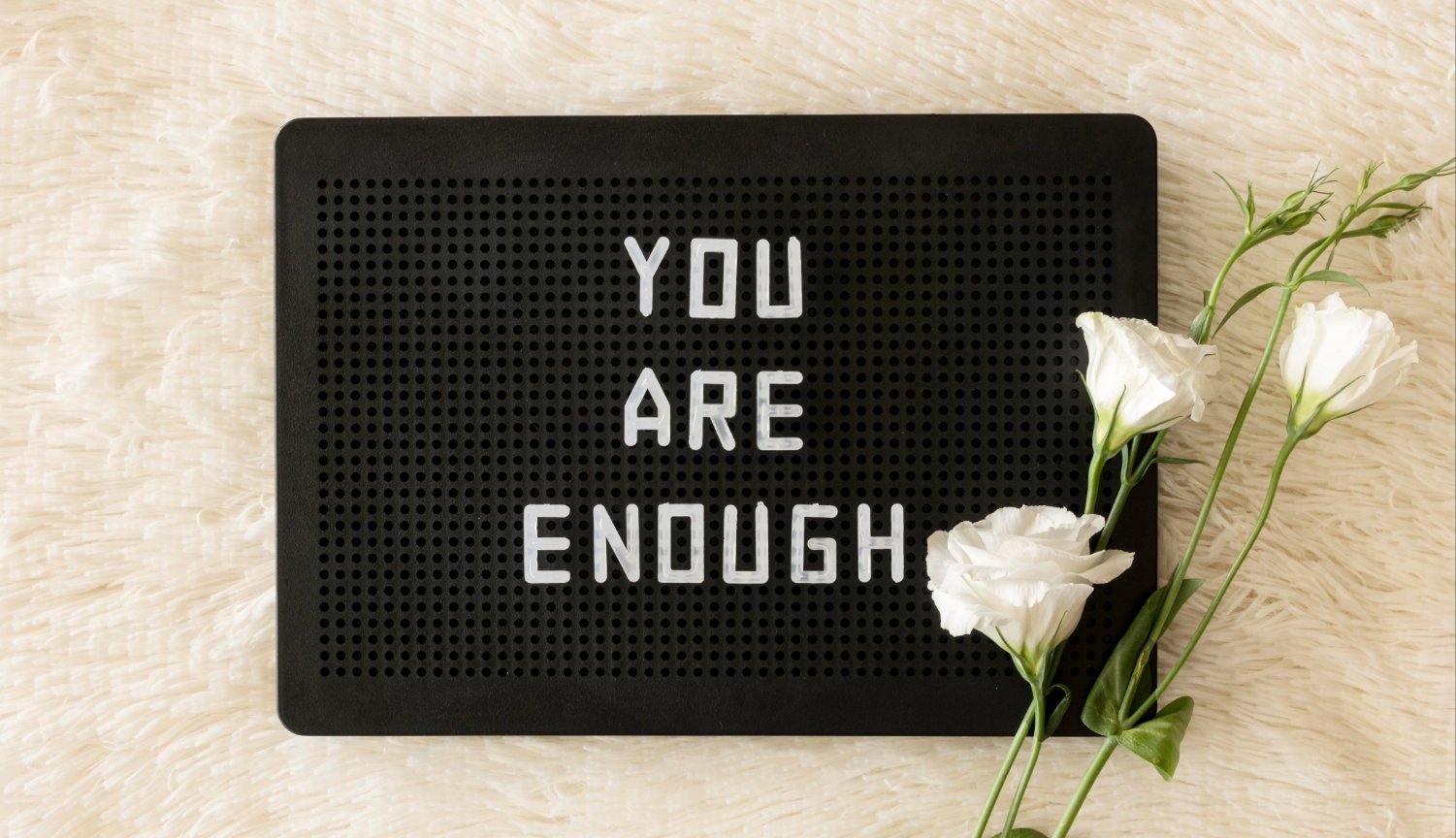
Perfectionism is rarely about high standards.
Most of the time, it is fear.

One of the greatest misconceptions about healing is the belief that we need to become a different person.
In reality, recovery is often about returning to who we truly are beneath the pressure, expectations, and survival strategies.

You feel the potential inside you.
But you also feel overwhelmed by the world around you. This is where transformation begins.

A vision is not about what others approve of. It is about what feels deeply aligned inside you.

What if anger is not a sign that something is breaking… What if it is a sign that something within you is finally waking up?
In a conscious Twin Flame connection, there is mutual holding.
Not rescuing.
Not saving.
Not carrying.
Holding.

Something feels off.
Something feels missing.
So you try to fix it the way most people do:
more experiences, more distractions, more “time off.”

The more a thought is repeated, the more natural it feels. The more natural it feels, the less it is questioned.

“I am disappointed and confused with my Divine Masculine because he doesn’t respond and doesn’t want to be with me.”

Short moments of guided calm — such as brief relaxation or breathing-based reset techniques — can help employees reconnect with themselves during a busy day.

A lighthouse does not chase ships.
It does not run after them.
It does not beg them to return.
It simply stands.

Because the moment your emotional state depends on someone else’s response, your energy is no longer fully yours.

The masculine energy in this connection is not here to immediately hold you.
It is here to show you where you are not yet holding yourself.

This is not about “getting him back.”
This is about coming back to yourself.
Because from that place everything changes.